
How do we get rid of condensation on double-glazed windows?
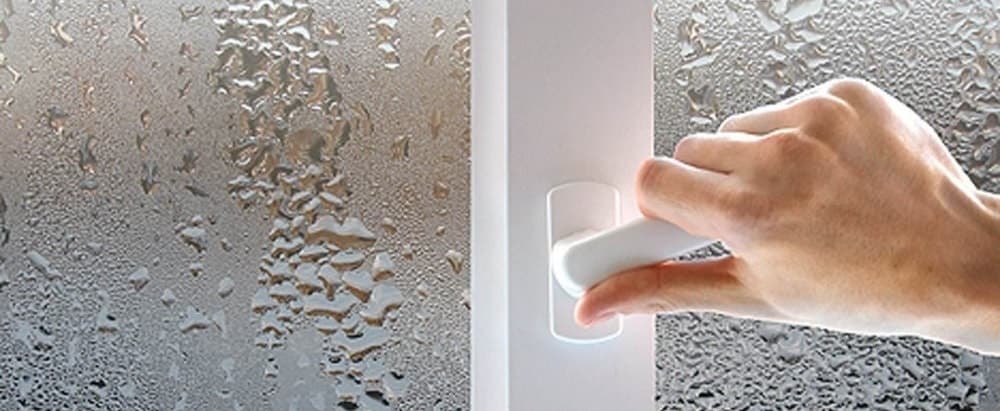
PVC windows are designed to retain heat, which is why they do not allow air to circulate through the window frame thanks to the rubber seals and the Low-E double glazing.
Condensation on PVC windows is one of the most common concerns among consumers. The downside is not only the spoiled appearance of the window and its reduced visibility, but the fact that condensation becomes the cause of dampness in the structural elements of the window and the appearance of mould.
Why do double-glazed windows fog up? What are the causes of condensation?
The main factor in the formation of condensation is high humidity in the room. Excess moisture arises from human activity, as well as from the vital activity of indoor plants. The possible causes of condensation are:
- the level of humidity in the room;
- the specifics of the structural units adjacent to the window unit;
- improper installation of heating systems and overly wide window sills, which lead to poor heat circulation indoors.
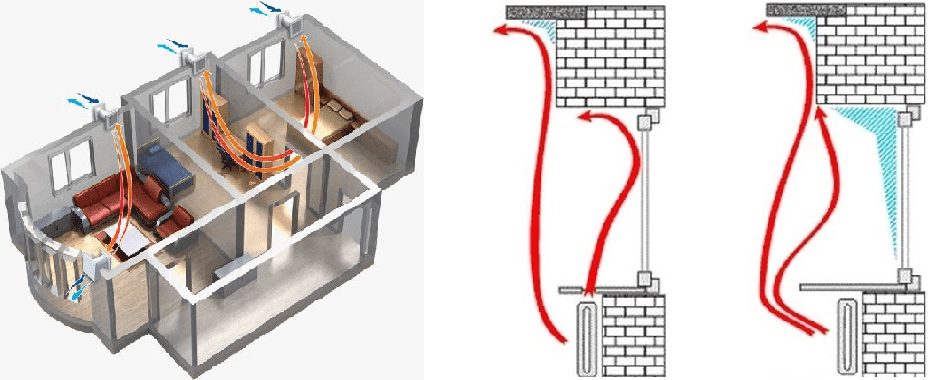
Condensation can only form on the coldest surfaces in the room. In most cases, these are simply the windows. The temperature difference plays an important role - hot vapour, which collides with the cold glass, passes from a gaseous form to a liquid, changing its state of aggregation. This leads to a conclusion: the reason windows fog up is not their poor quality, but the ordinary laws of physics.
However, one question still remains open: why did condensation not appear on the old windows? The explanation is even simpler here: the fact that old wooden windows are not as airtight. For this reason, the excess moisture that causes new windows to fog up simply escaped through the cracks and gaps in the wood.
Therefore, you should understand: if condensation appears on your windows, it tells you only one thing - you have chosen a high-quality and reliable product. Such PVC windows are a barrier to everything. To noise, dirt and cold outside your home, as well as to the excess moisture inside, which, as a result, settles in the form of condensation.
Nevertheless, there are situations when condensation may appear temporarily in the following cases:
- at the start of the heating season,
- following sudden changes in temperature,
- in new, recently finished homes.
How do we prevent condensation on the window?
To eliminate condensation caused by increased humidity, several measures are recommended.
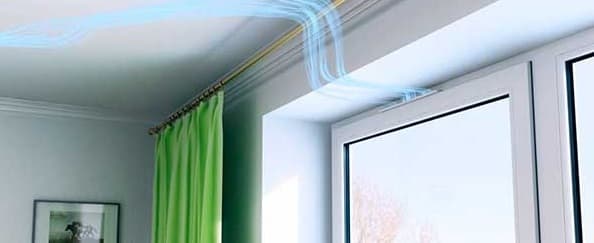
- 1.Ventilating the room as often as possible. To make this process much simpler and without major heat loss, PVC windows are equipped with a micro-ventilation system, making it possible to open the sash 13 mm at the top, which is enough to ventilate the room safely for those around you.
- 2.Keeping humidity between 40-50% will also help you keep fogging of the double glazing at bay. You can purchase a dehumidifier if the air humidity level is too high.
- 3.An optimal temperature between +18 and +24 C will prevent condensation from appearing on the PVC window.
- 4.Check the ventilation system of the house or apartment to make sure it is working properly.
- 5.If you are a lover of indoor plants, we recommend moving them to a brighter room during the winter and not over-watering them.
- 6.If condensation appears in the kitchen, use the extractor hood when you cook.
In conclusion
Summarising the above, we can highlight the following:
- Condensation appears because of high humidity in the room.
- To prevent the window from fogging up and deteriorating, the heating system should be installed under each window, so that the warm air released evaporates the water from the window frame as quickly as possible.
- New windows are not to blame for this phenomenon; on the contrary, the formation of condensation on windows indicates that you have ordered good, well-sealed windows.
- To combat condensation, it is worth ventilating the room regularly and upgrading the ventilation system.
- Energy-efficient double-glazed windows significantly reduce the possibility of condensation on the glass.
DO YOU NEED PROFESSIONAL ADVICE?
Leave us your contact number below and we'll get back to you shortly!

We are waiting for you!
Chișinău
Str. Constantin Brâncuși 112, 4th floor
Phone: +373 760 380 22
Email: sales.convalent@gmail.com